Thermophotovoltaic Cells (TPV)
Thermal radiation to electricity for heat-to-power evaluation.
Explore TPV
TPV and RPV both use semiconductor photovoltaic cells to convert photons into electricity. TPV receives thermal radiation from a high-temperature emitter, while the RPV approach presented here receives light generated by radiation-excited luminescent materials. Each application requires cell matching to its actual spectrum, incident irradiance and operating temperature.
Thermal radiation to electricity for heat-to-power evaluation.
Explore TPV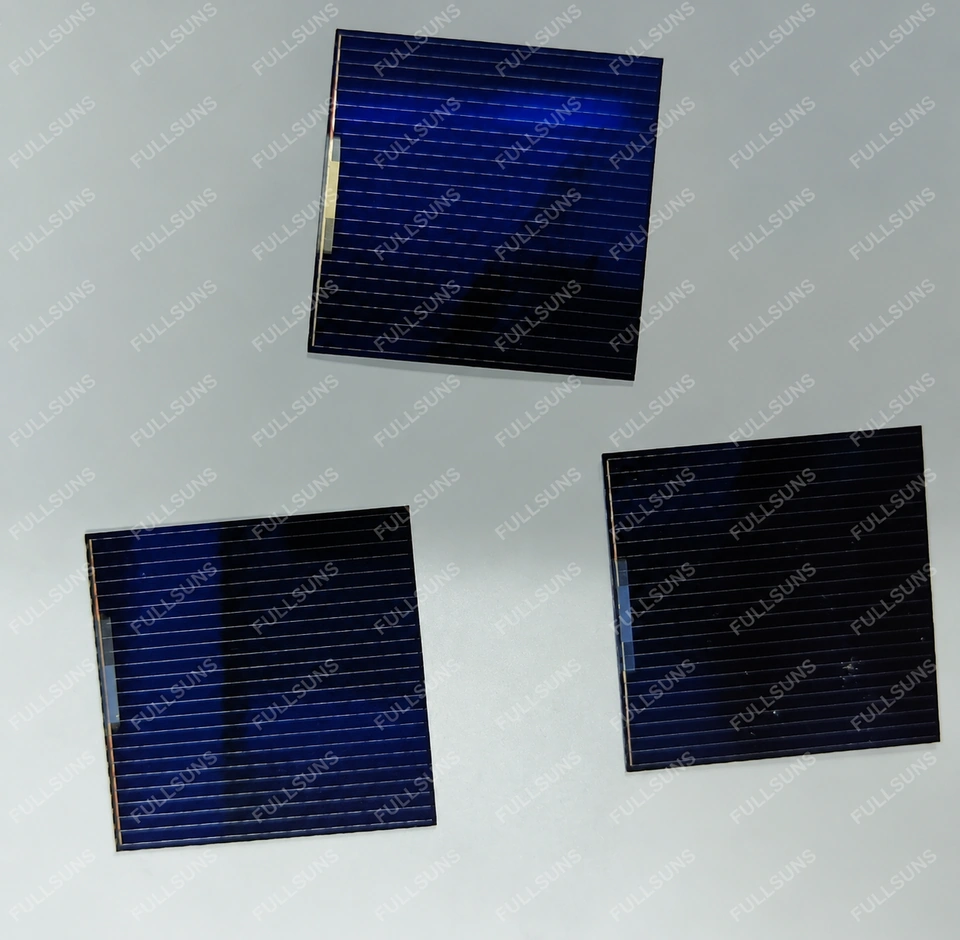
Radioluminescent energy conversion research and device integration evaluation.
Explore RPV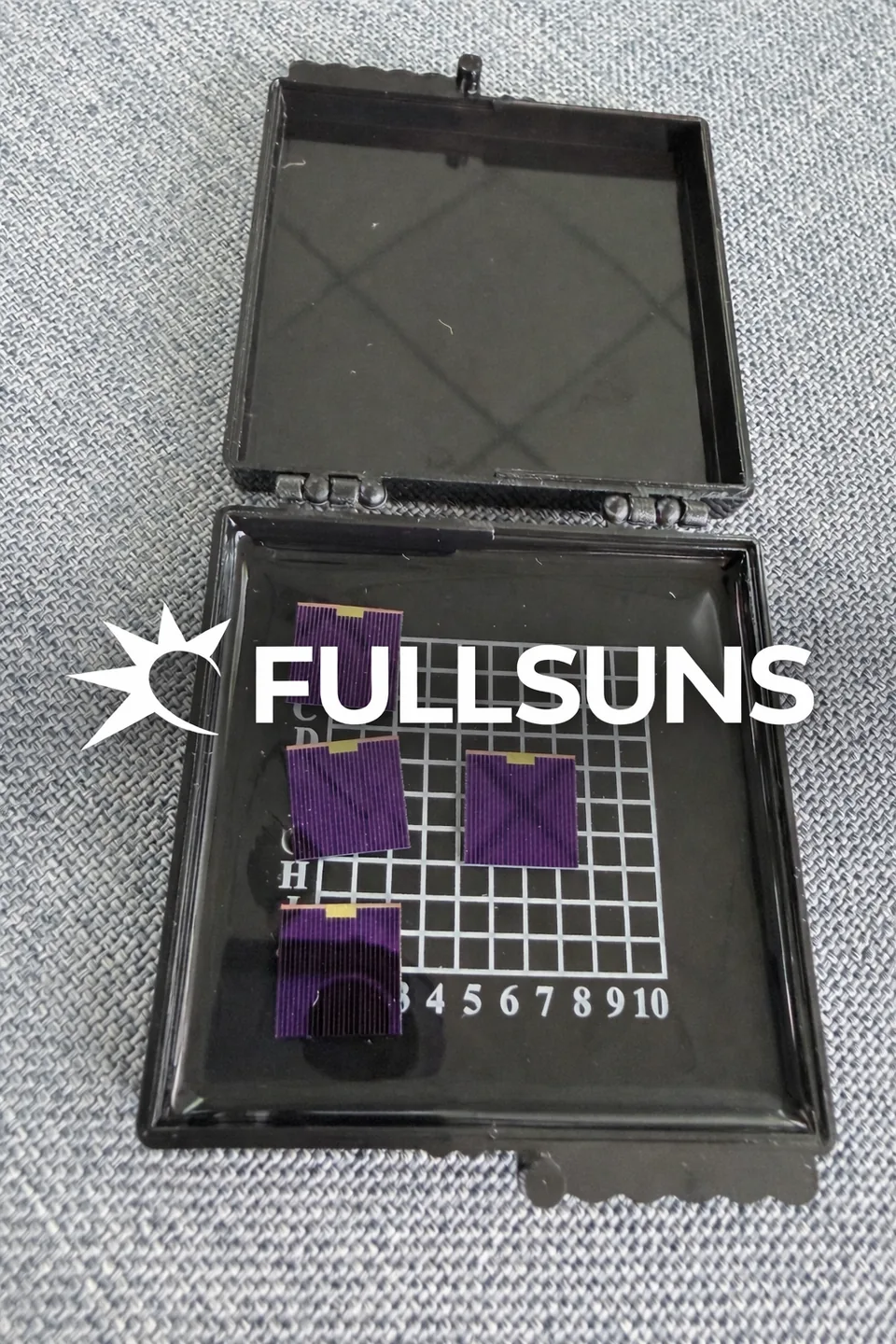
Thermophotovoltaic cells absorb infrared radiation emitted by a high-temperature heat source and convert it directly into electricity. They work like solar cells, but use thermal radiation rather than sunlight.
A heat source produces controlled high-temperature radiation. The TPV cell absorbs infrared photons matched to its bandgap and generates current, while system optics and thermal management can return unused photons to the source to improve overall energy utilization.
Electric heating, solar thermal energy, industrial process heat or another stable high-temperature source.
A thermal emitter transfers stored energy to the cells as infrared radiation.
Low-bandgap semiconductor devices convert matched photons into direct-current electricity.
Store electrical or renewable energy as heat and recover electricity through TPV modules when needed.
Evaluate radiant heat recovery and power generation from high-temperature furnaces, reactors and continuous industrial processes.
Integrate devices and packaging for compact, low-maintenance heat-to-power systems without rotating components.
The quantum-efficiency and reflectance curves support preliminary engineering assessment of emitter selection, spectral management and cell matching. Final electrical performance is subject to agreed test conditions, samples and project design.
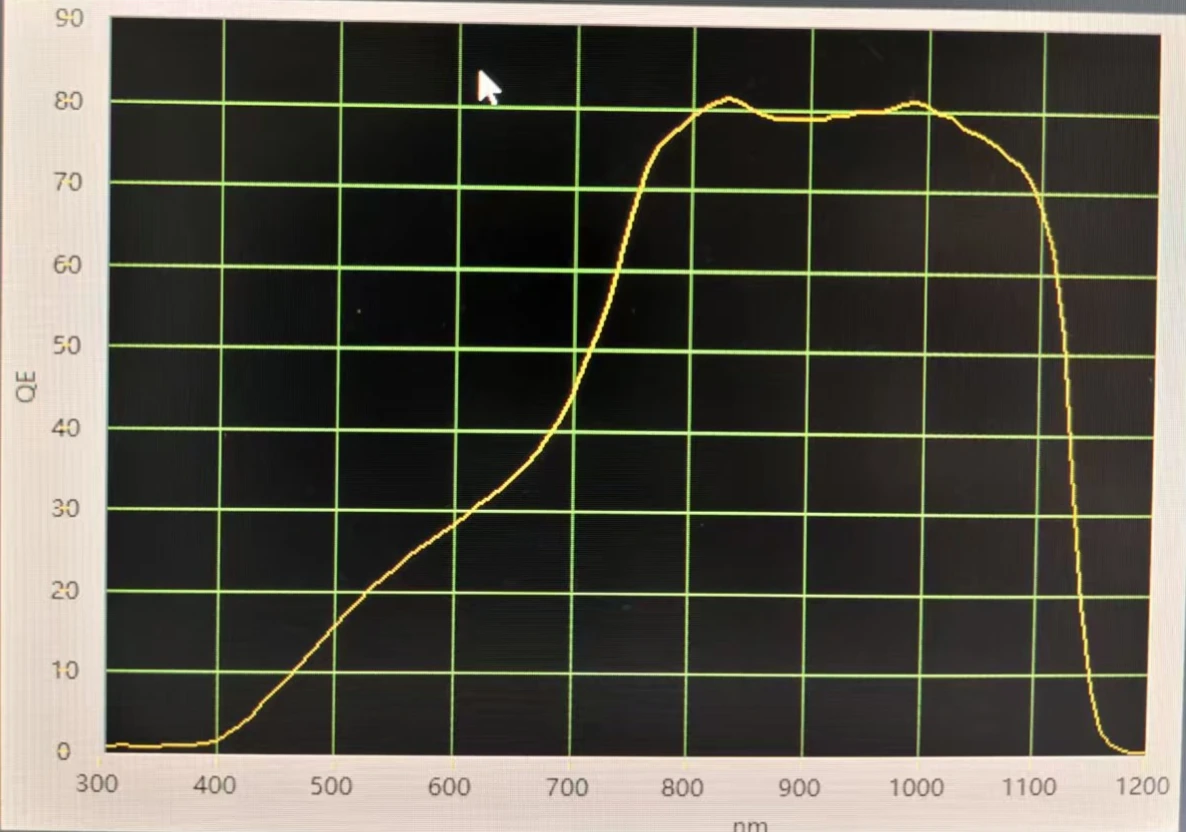
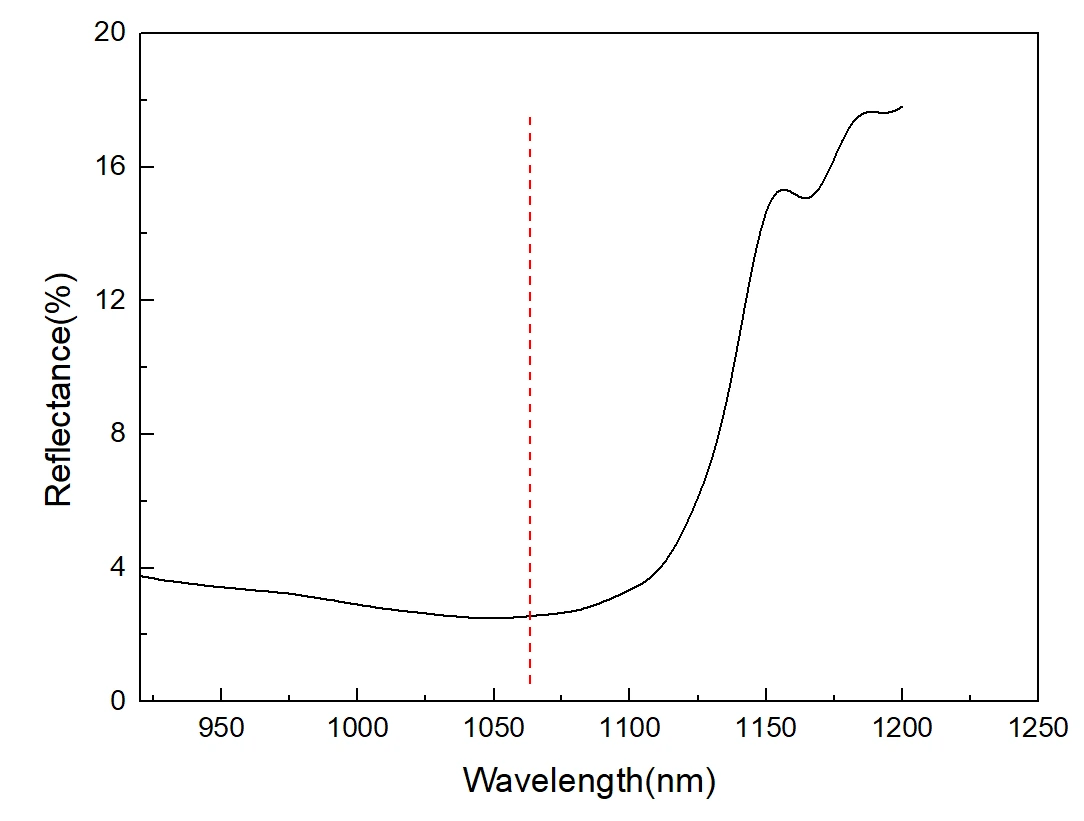
Data note: The curves are reproduced from the supplied measurement plots. Sample structure, temperature, instrument settings and complete test conditions were not identified in the source plots; they are not guaranteed performance or final acceptance criteria.
Need the full English datasheet, project-boundary review or test-condition confirmation?
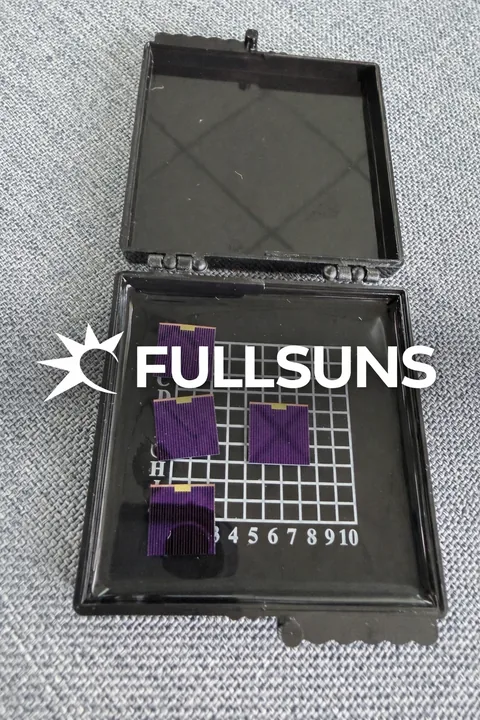
Download English TPV DatasheetExcept for the FULLSUNS samples in the lead image, the following images are technical references for TPV manufacturing, testing and application workflows and do not represent specific FULLSUNS product specifications.
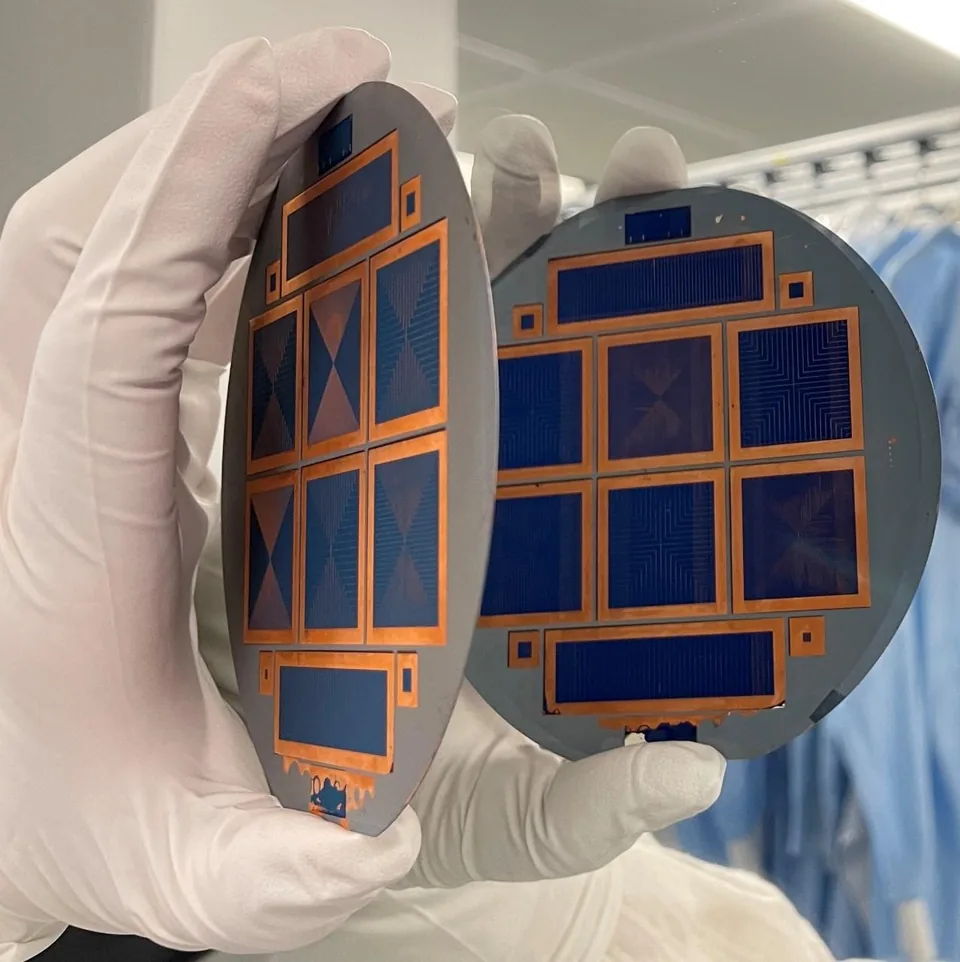
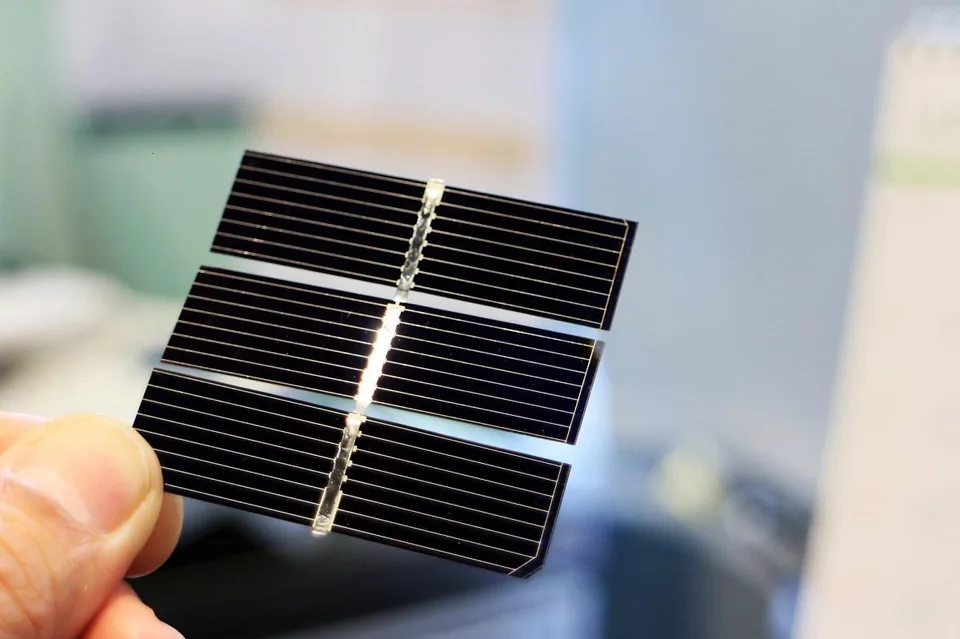
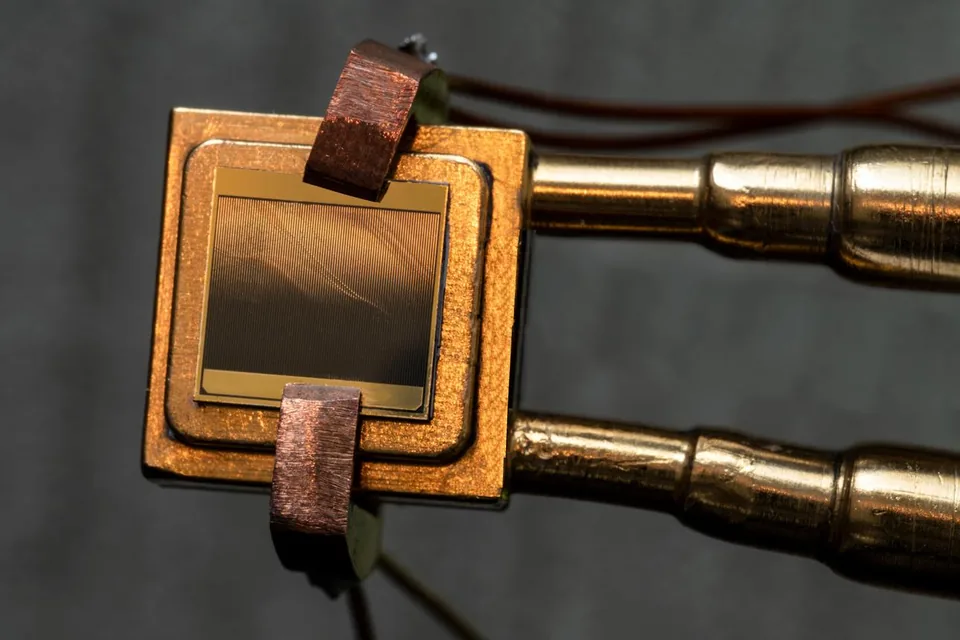
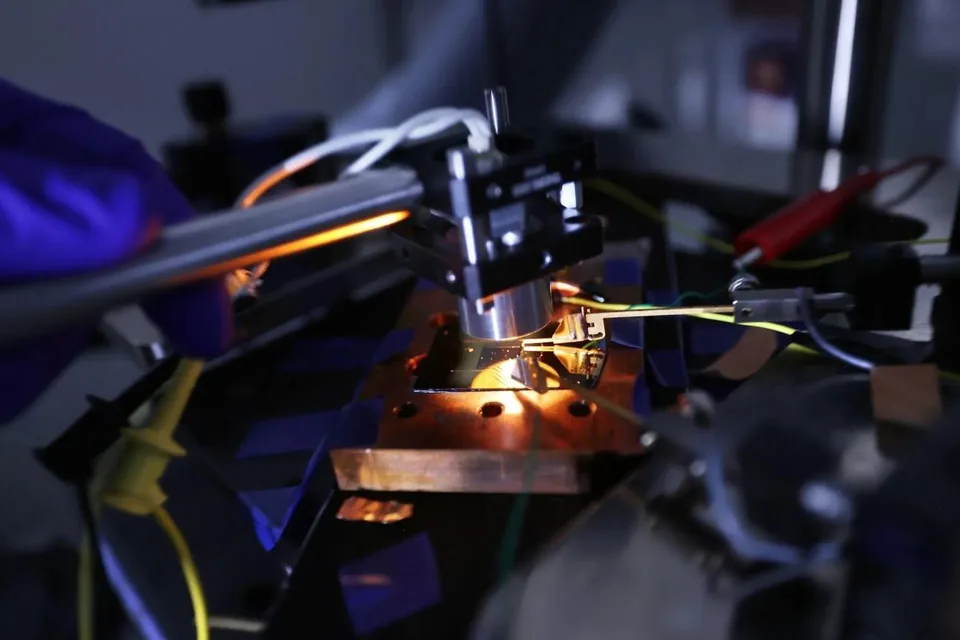
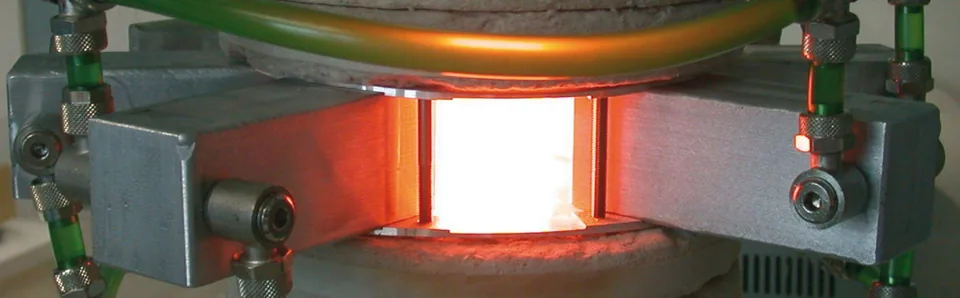


Thermophotovoltaics convert thermal radiation to electricity. TPV cells can be evaluated for thermal energy storage and waste heat recovery systems, with cell matching based on the emitter spectrum, incident irradiance, temperature and system conditions.
Photovoltaic Cells for Radioluminescent Energy Conversion
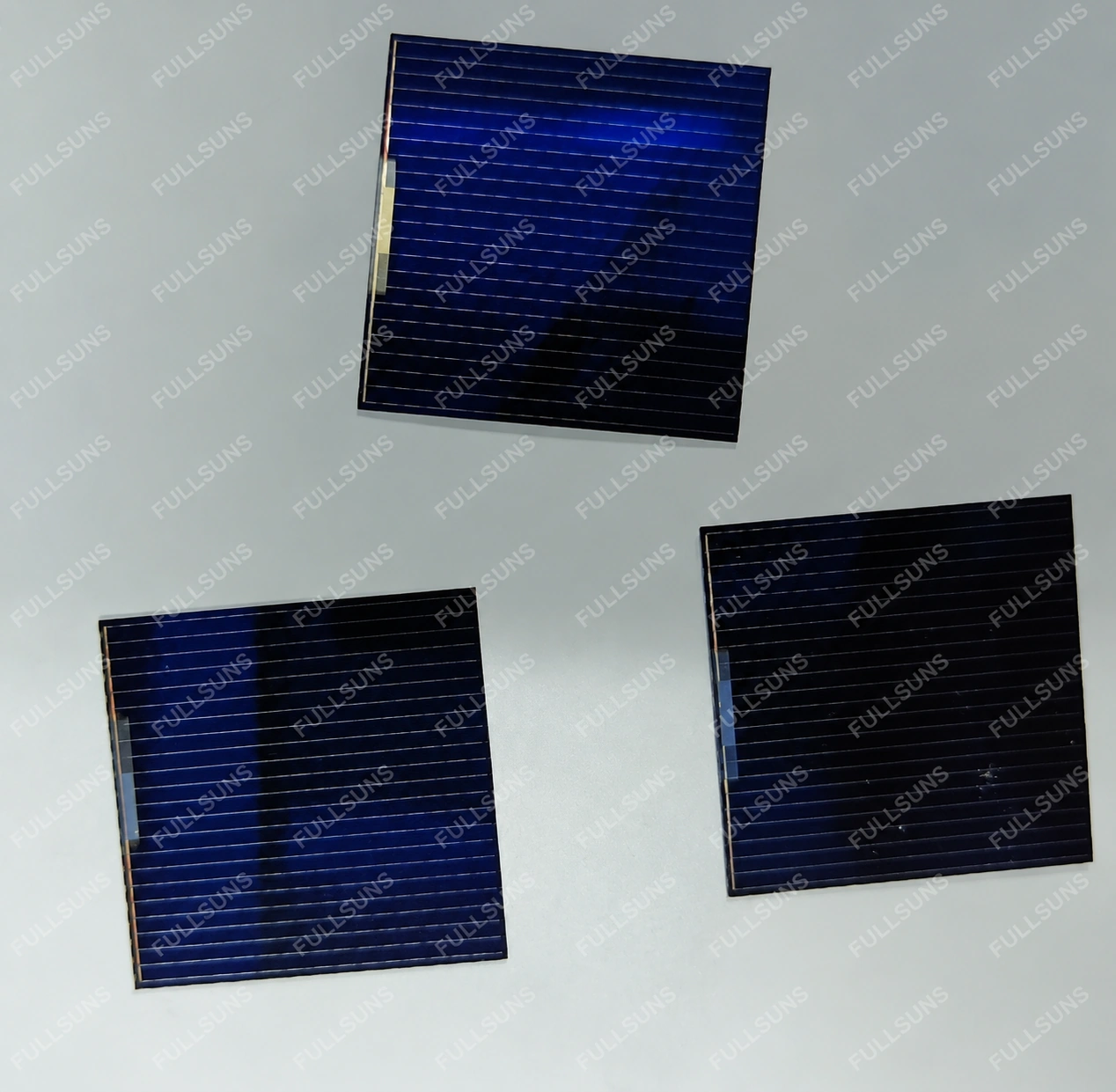
FULLSUNS photovoltaic cells for radioluminescent energy conversion are intended for research and device integration evaluation. In this indirect conversion approach, radiation excites a scintillator or phosphor to produce light, and a photovoltaic cell converts the emitted photons into DC electricity. Cell selection requires evaluation of the luminescence spectrum, irradiance at the cell surface, operating temperature and load requirements. The photograph shows photovoltaic cell samples; material, dimensions, junction structure and packaging requirements are confirmed for each model and project.
Read the Betavoltaic ReferenceRadiation provides excitation energy for the light-emitting process.
A scintillator or phosphor converts excitation energy into light.
The photovoltaic cell receives photons and generates DC electricity.
The radiation source, luminescent material and photovoltaic cell are separate system components. The photovoltaic cell itself need not contain radioactive material.
This section explains conversion principles and engineering review limits. It does not announce FULLSUNS complete betavoltaic batteries or radioisotope supply. The RPV photograph remains a photovoltaic cell sample image for radioluminescent conversion.
Beta particles interact with a semiconductor and create electron-hole pairs through ionization.
The junction field separates carriers. Collection efficiency depends on the device structure and defects.
Contacts collect charge to produce current. The radiation source, junction and electrical load determine the output.
Heat source → thermal photons → photovoltaic cell → electricity.
Radiation → light-emitting scintillator or phosphor → photovoltaic cell → electricity.
Beta particles → semiconductor charge generation → electricity. Direct conversion does not require an intermediate light-emitting material.
Nuclear micropower research considers space sensors, unattended industrial monitoring, low-duty-cycle MEMS and implantable medical devices. These directions do not establish delivered systems. Medical implants, space environments and long unattended operation each require relevant qualification, reliability and system-level evidence.
Related literature uses terms such as radio-photovoltaic cell (RPVC) and radioluminescent photovoltaic conversion. A complete radioisotope-powered device may be described as a radioluminescent nuclear battery or an optoelectric nuclear battery. These system-level terms are broader than the photovoltaic cell component.
TPV receives thermal radiation from a high-temperature emitter. The RPV approach described here receives light from radiation-excited luminescent materials. Both require spectral matching, but their energy sources and operating conditions differ.
They generally use different conversion routes. A betavoltaic cell converts beta-particle energy directly into electrical charge in a semiconductor, whereas the approach presented here uses an intermediate light-emitting material followed by photovoltaic conversion.
Read the Betavoltaic ReferenceProvide the luminescence spectrum, irradiance at the cell surface, operating temperature, target electrical output and mounting requirements. Materials and junction structures should be compared under actual conditions rather than selected only by efficiency under sunlight.
No. Confirm the conversion route, then assess the specific model using its operating conditions and measured data. A technical overview does not replace device performance tests or lifetime verification.
For product selection and a quotation, email marketing@fullsuns.com