Sensors & high-voltage monitoring
Isolated power for sensors, measurement circuits and monitoring nodes in electrical utilities.

808 nm and 1064 nm are FULLSUNS’ key LPC capabilities. Select the wavelength and specify the optical input, beam profile, electrical load and thermal conditions for your project.
Published 808 nm receiver-module data and power-over-fiber application information are available below.
Discuss your 1064 nm laser power conversion requirements with FULLSUNS. Material system, device configuration and performance must be confirmed for the selected product and test conditions.
Discuss requirements — 1064 nm
The 808 nm module specifications, curves and laser-source datasheets below do not specify or guarantee 1064 nm performance. Gallery images show different samples and assemblies, not one shared module specification.
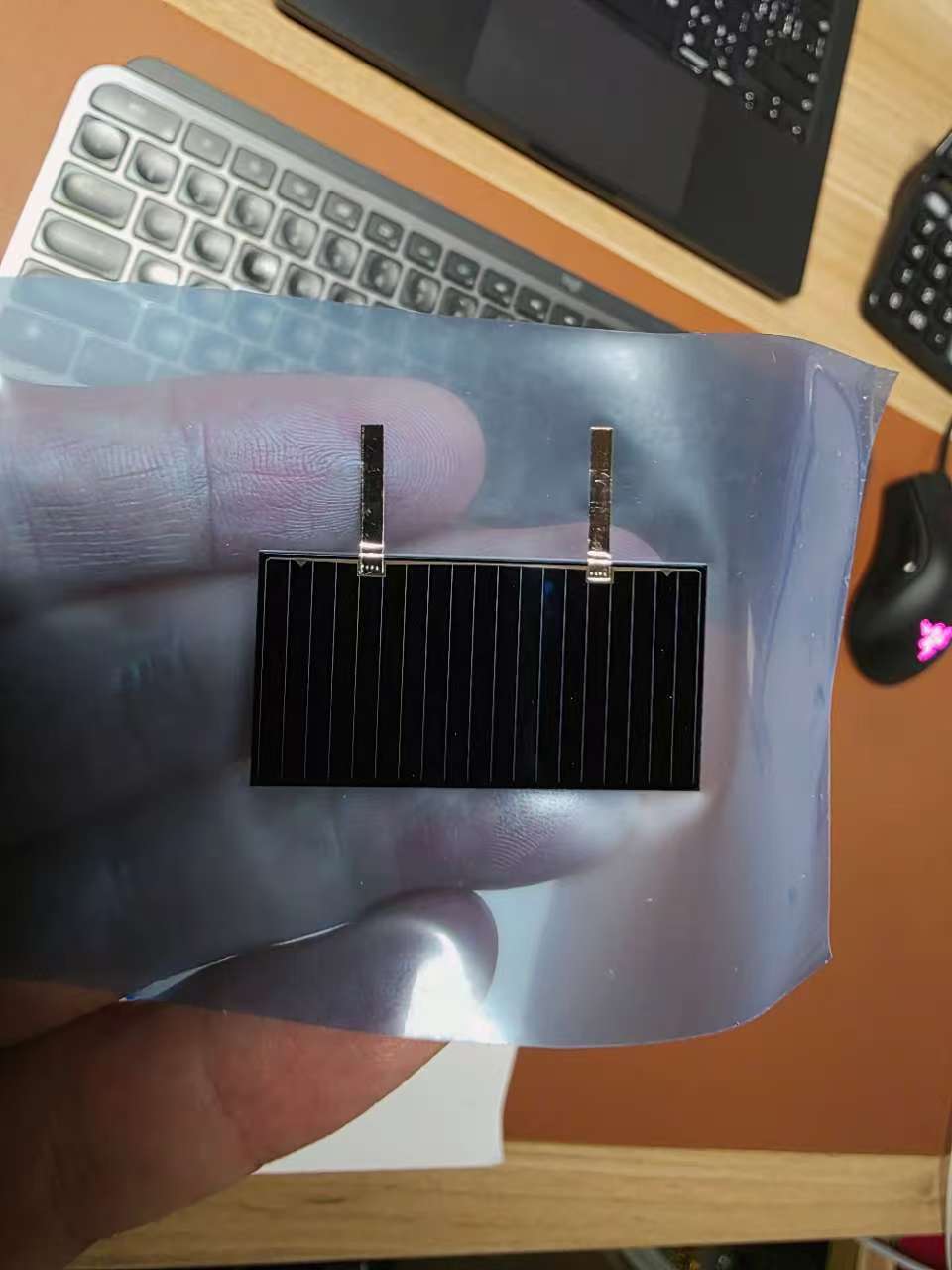
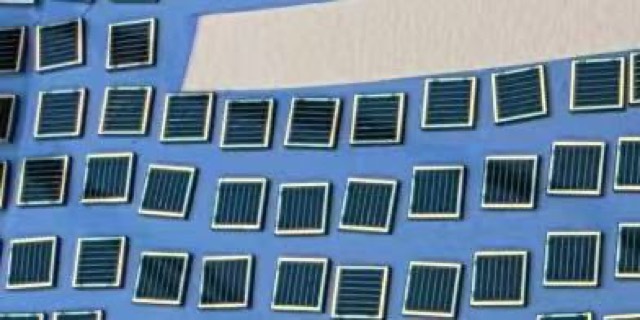
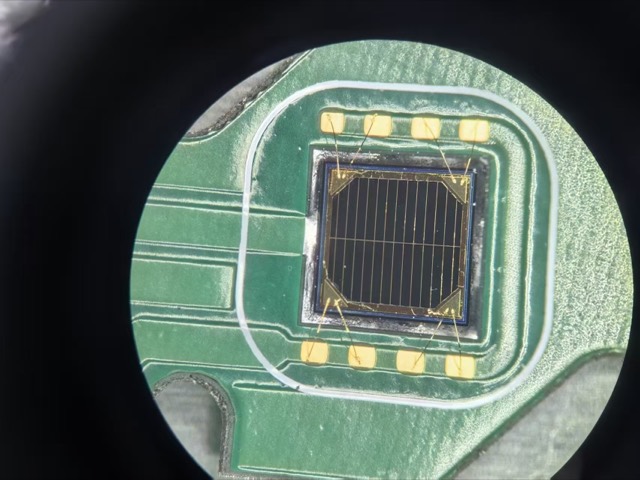
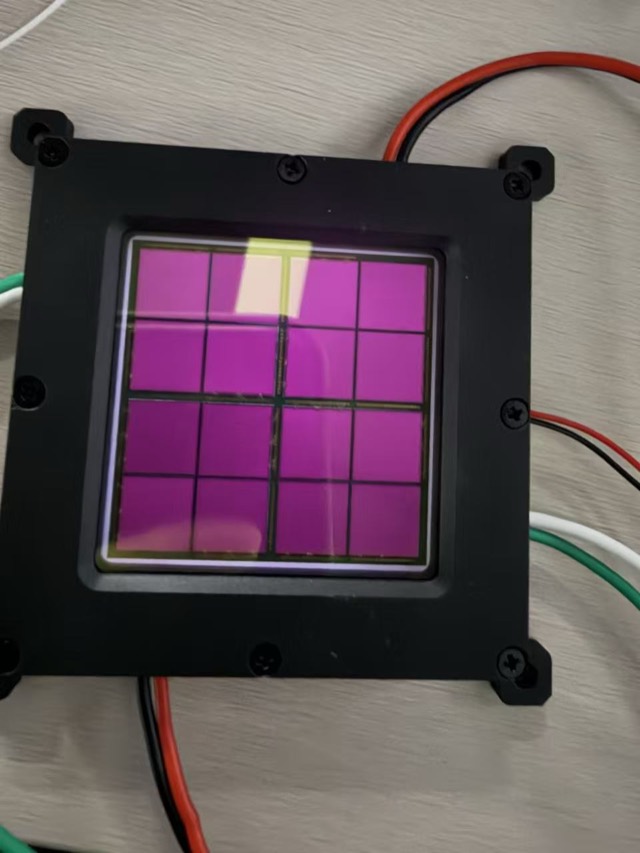
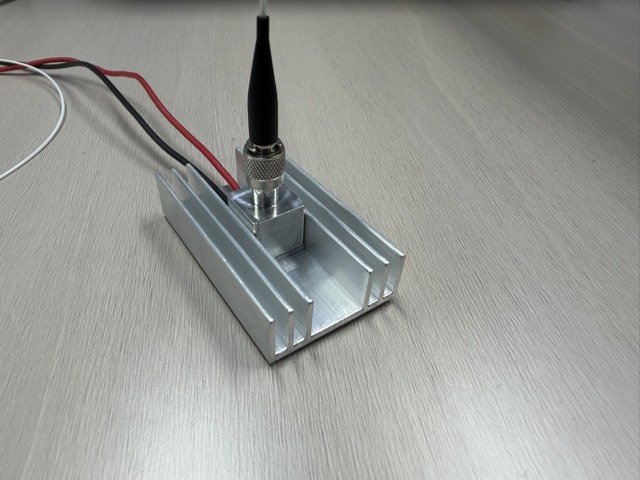
Converts monochromatic laser energy directly into electrical energy, suitable for wireless energy transmission and long-distance stable power supply.
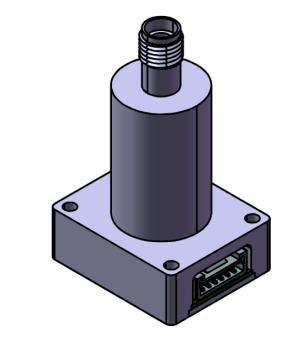
Download LPC DatasheetDeliver laser energy through optical fiber and convert it into electrical power at the remote LPC receiver. The approach supplies isolated power to electronics in high-voltage and electromagnetically demanding environments.
Isolated power for sensors, measurement circuits and monitoring nodes in electrical utilities.
Optical power delivery reduces electromagnetic coupling associated with conductive power paths.
For industrial locations where metal wiring is unsuitable; packaging and environmental compatibility depend on the project.
Integration in electronic systems where cable weight, electromagnetic interference and power isolation matter.
Electrical data: case temperature 25 °C. Characteristic curves: laser wavelength 808 nm.
| Optical input | Electrical power at MPP | Voltage at MPP | Current at MPP |
|---|---|---|---|
| 10 W | 5.40 W | 6.05 V | 0.893 A |
| 20 W | 10.79 W | 6.05 V | 1.784 A |
| 30 W | 15.92 W | 5.91 V | 2.693 A |
30 W is the stated maximum optical input. Bottom heat sinking must keep the case within its temperature limits. Match fiber coupling, load and voltage regulation to the actual system.
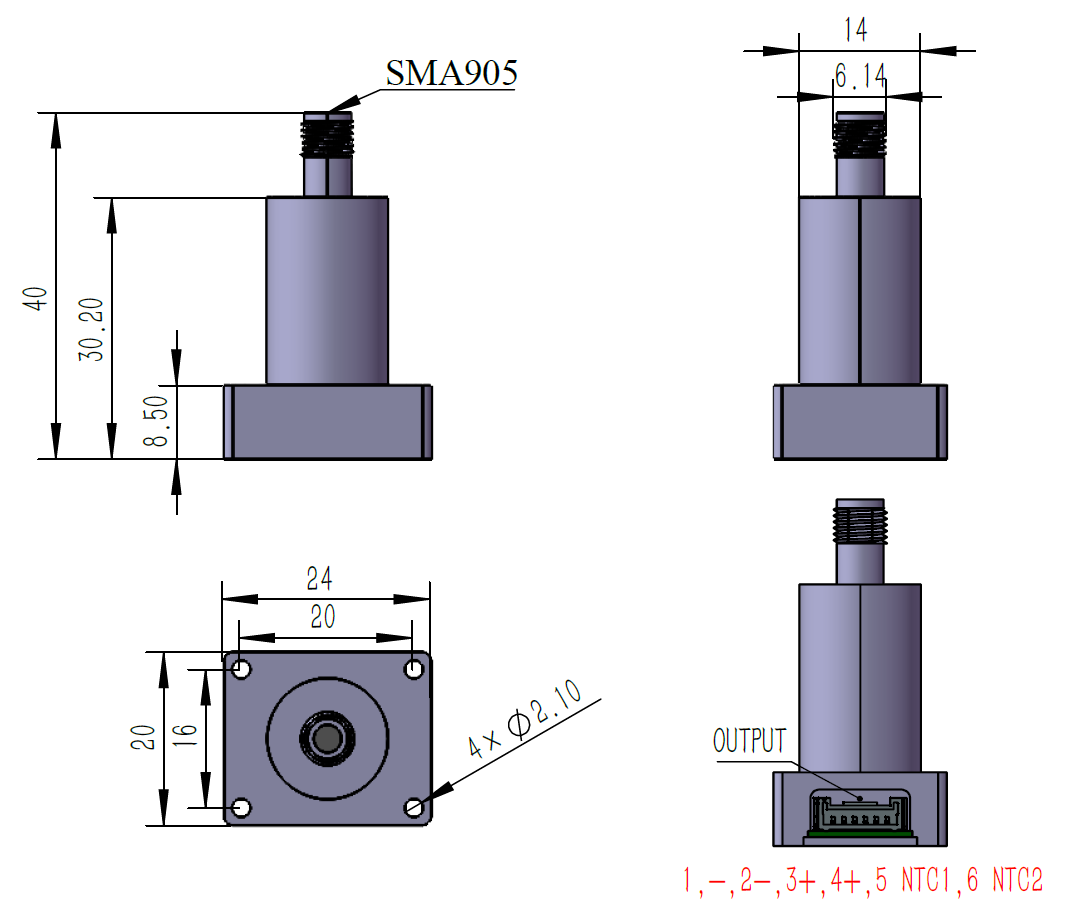
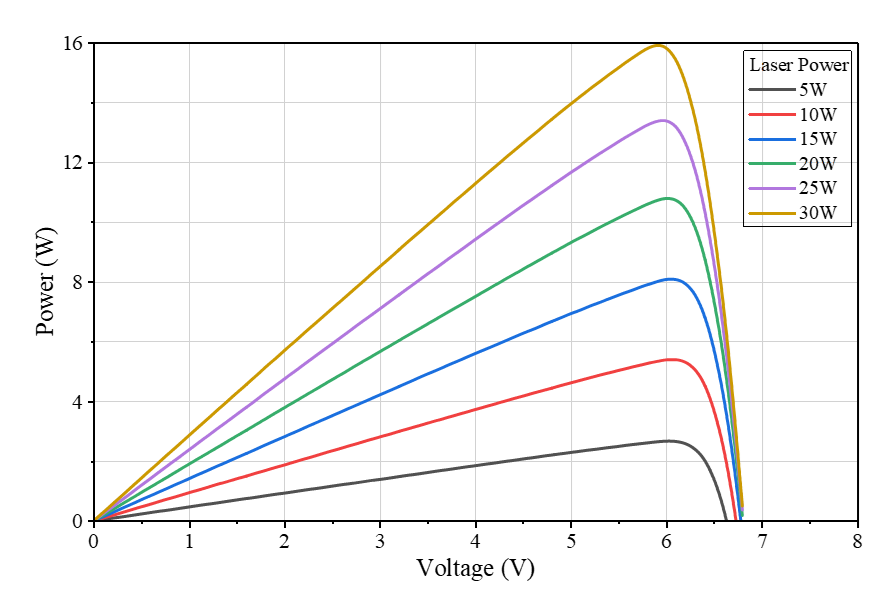
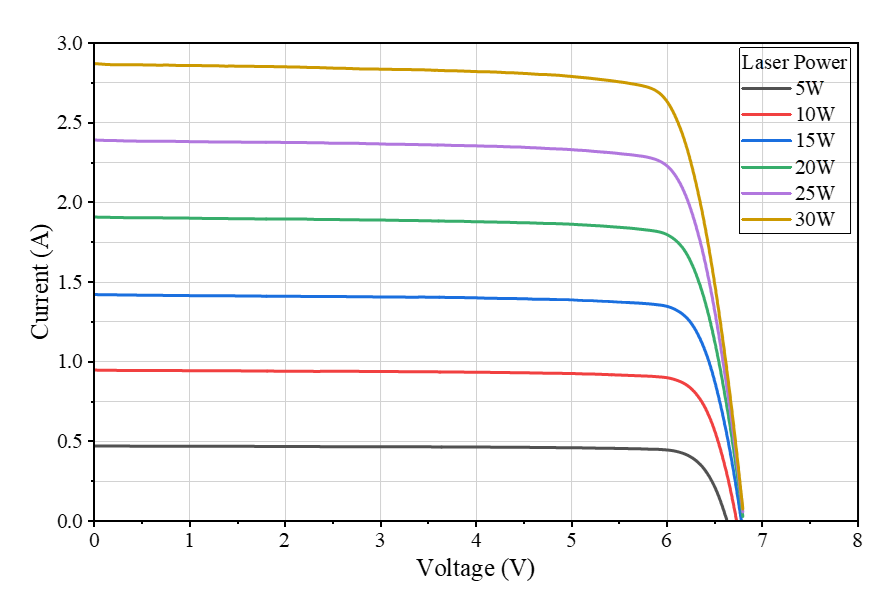
English PDF · Specifications, dimensions and characteristic curves
When a standard module does not match the laser source, electrical load or integration boundary of a project, FULLSUNS can evaluate a custom LPC cell around wavelength, beam profile, target operating point, die footprint, grid, electrodes and package interface. This project support does not replace the standard-module data published on this page.

Review laser wavelength, optical input and beam profile, load operating point, temperature boundary and installation constraints.
Evaluate illuminated area, grid and busbars, polarity, bond lands, back metallization and thermal path together.
Complete manufacturability review, prototype testing and I-V / P-V validation under agreed project conditions before a later mask release or production batch.
Complete inputs allow a faster assessment of current collection, shading, thermal design and packaging compatibility.
The graphic on this page only illustrates the scope of engineering support. It does not display or reproduce customer layouts, mask layers, dimensions, grid parameters or project performance. Custom performance is subject to agreed test conditions, engineering review and prototype measurements.
A laser source for delivering optical energy through fiber in power-over-fiber systems. Typical center wavelength: 808 nm; typical optical output: 20 W. The module uses a 200 μm multimode fiber core and an SMA905 output connector.
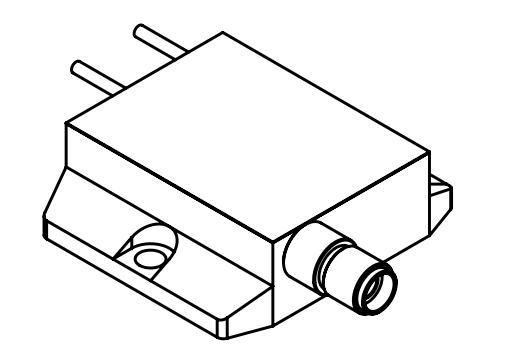
20 W is the typical laser optical output, not the electrical output of an LPC receiver. System selection must account for fiber and connector compatibility, transmission losses, cooling and receiver operating conditions.
Datasheet test condition: water temperature 25°C. A dash indicates a value not specified in the source specification.
| Parameter | Minimum | Typical | Maximum |
|---|---|---|---|
| Center wavelength | 803 nm | 808 nm | 813 nm |
| Optical output power | - | 20 W | - |
| Threshold current | - | 1.3 A | - |
| Operating voltage | - | 3.4 V | - |
| Operating current | - | 12 A | 14 A |
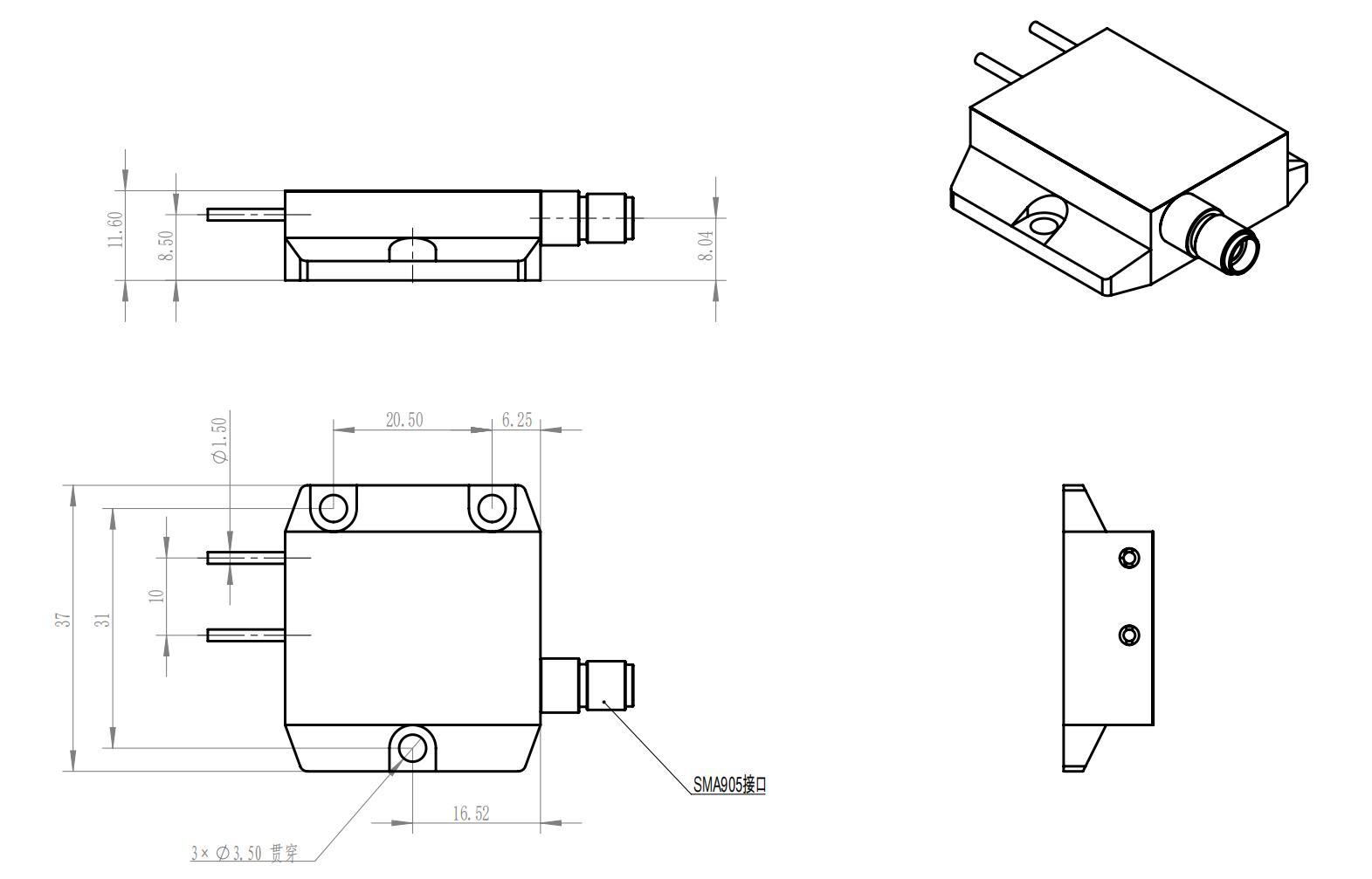
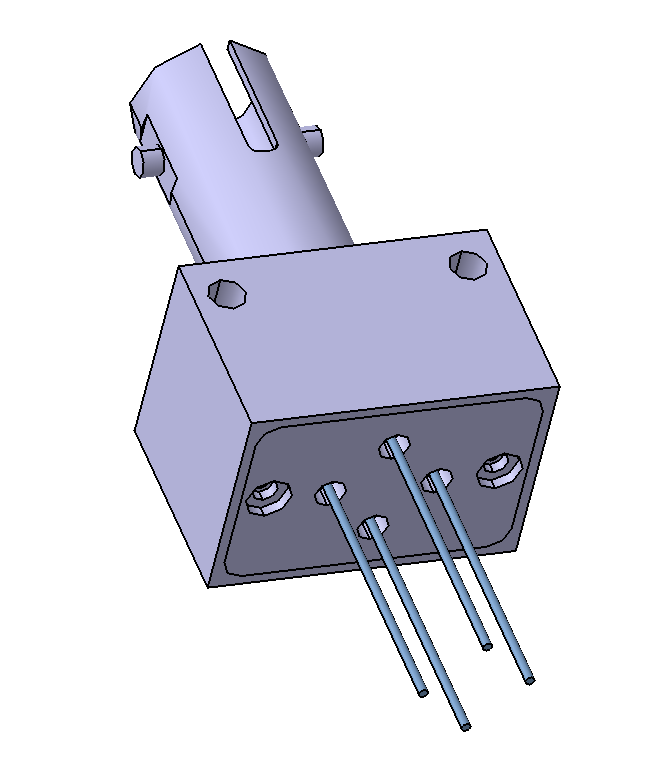
In the view with two leads on the left, the upper lead is pin 1 (LD−) and the lower lead is pin 2 (LD+). Mounting holes: 3 × Ø3.50 mm through-holes.
FULLSUNS English PDF · 3 pages · Specifications, dimensions and pinout
For product selection and a quotation, email marketing@fullsuns.com